Home practice between online speech therapy sessions
Online Speech Therapy Online Speech Therapy 7 min read
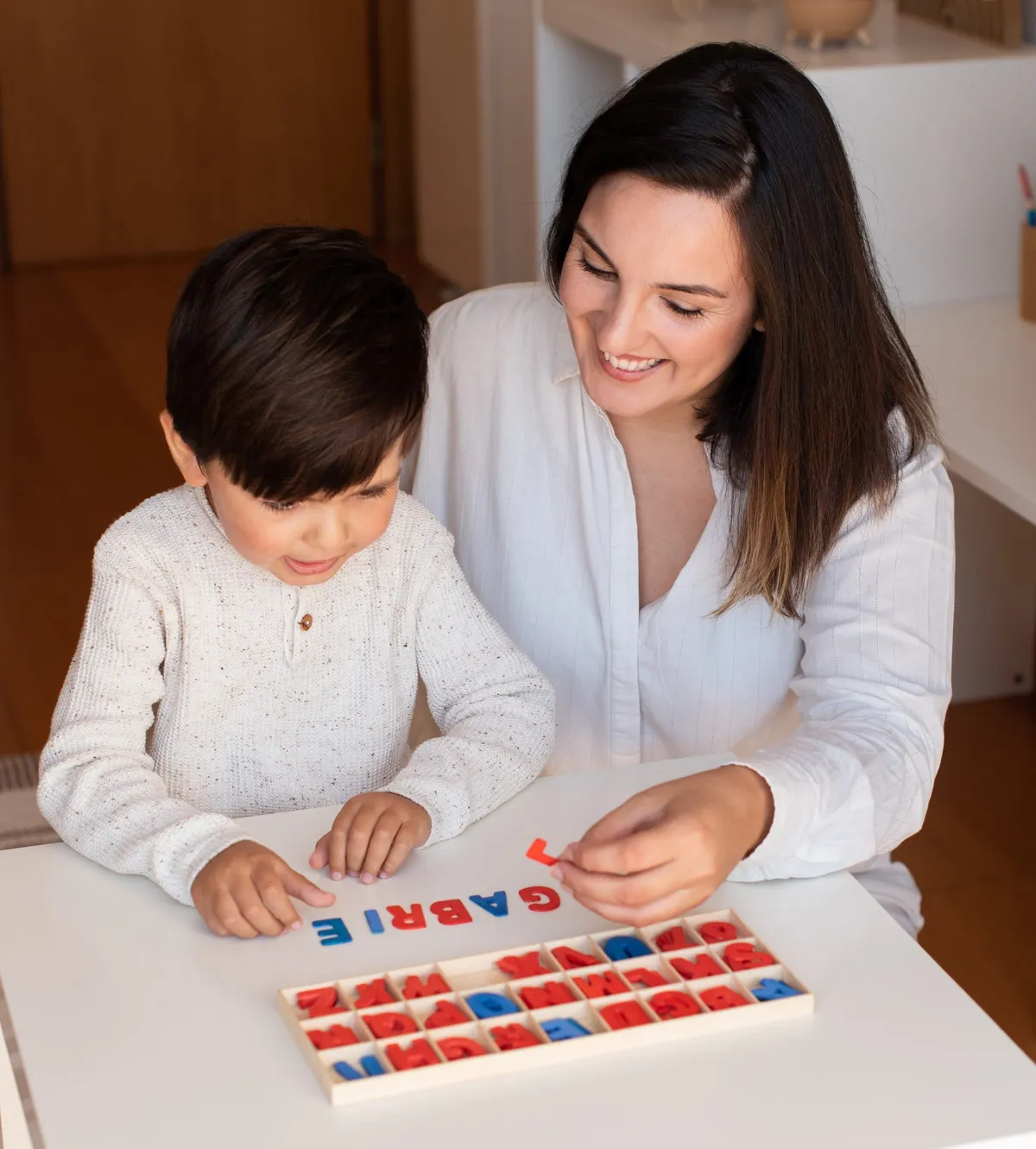
Speech therapy home practice is the short, guided practice a family does between sessions so that what a child learns with the speech pathologist gets used in everyday life. In online speech therapy with Dr Lauren Crumlish, she sets the practice, shows you how to do it during the session and checks how it went the following week. It is usually short and frequent, fitted around things you already do, and it supports her therapy rather than replacing it.
Parents often want to know the real load before they apply. This guide covers practice for each kind of work, how it is set and checked by video, how much is typical, and the weeks it does not happen.
Why does online speech therapy include home practice?
A session takes up less than an hour of a child’s week, and new speech and language skills need many short repetitions in ordinary life before they become automatic. Home practice is how a skill moves from the session into the kitchen, the car and the classroom.
Most Australian speech pathologists work this way. In a survey of 288 Australian speech pathologists who work with speech sound difficulties, 96.4% involved parents in therapy, most often through home practice (Sugden and colleagues, 2017).
Online sessions give families one advantage here. With a younger child, you are usually in the room for the session, so you watch the activity being done, try it while Dr Lauren coaches you, and leave knowing exactly what to do.
What does home practice look like for each kind of work?
Home practice looks different for each kind of work, because the skill being built is different. The descriptions below are typical; Dr Lauren decides what your child’s practice will be.
Lists of speech therapy exercises for kids at home are easy to find, but the useful exercises are the ones chosen for your child’s goals and pitched at the level they have reached. Practice on the wrong sound, or at the wrong level, can be wasted effort. That is why the exercises in a home plan are set by the speech pathologist and changed as your child moves on.
Speech sounds and lisps
Practice for speech sounds is short and repetitive: saying the target sound correctly many times, at the level your child has reached. That usually starts with the sound in words and moves towards phrases, sentences and ordinary conversation as it becomes reliable. Your part is to listen for the correct sound and respond the way Dr Lauren shows you. The page on online speech therapy for speech sounds and lisps explains how this work is done by video.
Language
Language practice is mostly built into talk you already have: sharing a book, talking through bath time or cooking, and using the words or sentence types your child is working on. For toddlers, Hanen’s It Takes Two to Talk approach teaches parents to follow their child’s lead and to use routines such as meals, bath time, play and book reading as chances to communicate. The pages on online language therapy and toddlers and late talkers go further.
Stuttering
For young children treated with the Lidcombe Program, practice is a defined part of the treatment. The program’s guide says the parent runs a practice session each day, usually around 15 minutes, giving the feedback the clinician has taught. The parent also records a daily severity rating from 0 (no stuttering) to 10 (extremely severe stuttering).
The same guide is clear that the program is not designed for parents to use without a clinician. Dr Lauren uses the Lidcombe Program: she teaches each step, watches you run a practice session on camera at your appointments, and adjusts the plan from your ratings. The guide notes the program has been shown to work with clinician instruction by video. More is on the page about how Dr Lauren works on stuttering online.
Reading and spelling
Reading and spelling practice usually means a few minutes on the sounds, letters, words or spelling patterns from the session. It can also include reading aloud together from a text at the right level. The page on online literacy support describes how sessions run.
How much practice will we need to do?
The amount of practice depends on the child, the kind of work and the stage of therapy, and Dr Lauren sets it for your child. As a guide to what is typical, speech pathologists in the Australian survey recommended practice for speech sounds about five times a week, for about 10 minutes, on average. The Lidcombe Program’s published routine is a practice session each day.
Neither figure is a promise of results, and neither is a minimum you will be held to. They show that practice is usually a few short blocks in a week, not an hour a night.
How is practice set and checked when sessions are online?
Practice is set in the session and checked at the next one. Before a session ends, you should know what to practise, how often, and what to listen for. If any part is unclear, ask before the call finishes.
At the start of the next session, Dr Lauren asks how the week went. She may watch your child do the activity on camera, or watch you run it, so she can see whether it is being done the way it needs to be. Then she changes the practice to suit: harder, easier, shorter, or a different activity. This check matters, because practice done the wrong way can build the wrong habit.
How do I fit practice into a busy week?
The easiest practice is attached to something you already do every day, so it does not need a new slot in the week. Some examples:
- In the car: practise target words from things you pass, or retell part of the day.
- At meals: use the week’s words or sentence types while you talk.
- At bath time or bedtime: a short game with sounds, or a book shared the way Dr Lauren showed you.
- On the walk to school: a quick round of the week’s practice words.
- While cooking: talk through the steps together, which suits language goals.
A few habits help. Keep practice short and stop before your child is tired of it. Make it a game, end on a success, and do it at roughly the same time each day. Other family members can share the load. Parents interviewed in one study said that building practice into daily routines and involving other family members helped (Pritchard and colleagues, 2026).
What if practice is not happening?
If practice is not happening, tell Dr Lauren at the next session. A missed week is information for the plan, not a failure. Illness, holidays, a new baby or a stressful term at school all happen, and the plan should fit the family’s real week.
Dr Lauren can make practice smaller, move it into a routine you already have, or change the activity. Speak up early if your child resists every time, if you are unsure you are doing it right, or if it takes far longer than expected. In the same study, parents described a good relationship with their therapist as the basis for home practice, and clear communication about each activity as what kept it going.
Can an app or online course do the practice instead?
An app or an online course for parents can supply practice material, but it cannot listen to your child and tell you whether the practice is correct. The guide on speech therapy apps looks at what apps can and cannot do.
What should I do next?
To see where practice fits in the whole process, from the first call to weekly sessions, read how online speech therapy works. If your worry is whether a young child will manage the sessions themselves, the guide will my child sit still for online speech therapy? covers it. Other questions families ask before starting are answered in the guides for parents.
Dr Lauren works with a small number of families and has limited availability. Families who would like to work with her can apply, and our team will review your application.
Sources
- Sugden, Baker, Munro, Williams and Trivette, An Australian survey of parent involvement in intervention for childhood speech sound disorders, International Journal of Speech-Language Pathology, 2017.
- Onslow, Webber, Harrison and colleagues, The Lidcombe Program Guide, version 1.7c, August 2025.
- Pritchard, Stojanovik, Titterington and Pagnamenta, Parental perspectives and experiences of working with speech and language therapists to support home practice for their child with a speech sound disorder, International Journal of Language & Communication Disorders, 2026.
- The Hanen Centre, It Takes Two to Talk.
Topics
- Home practice
- Parents
- Routines
- Getting started