
How do we make it work?
Home practice between online speech therapy sessions
Home practice is short, guided practice between sessions, set and checked by the speech pathologist. What it looks like for...
Reading And Spelling
Online literacy support from a speech pathologist gives your child reading and spelling help by video. The work is done on print, and a shared screen puts the same page in front of your child and the clinician. Dr Lauren Crumlish (PhD), Certified Practising Speech Pathologist, hears each word your child reads aloud and watches each word they build on screen, after first assessing their reading, spelling and the spoken language underneath.
The short answer
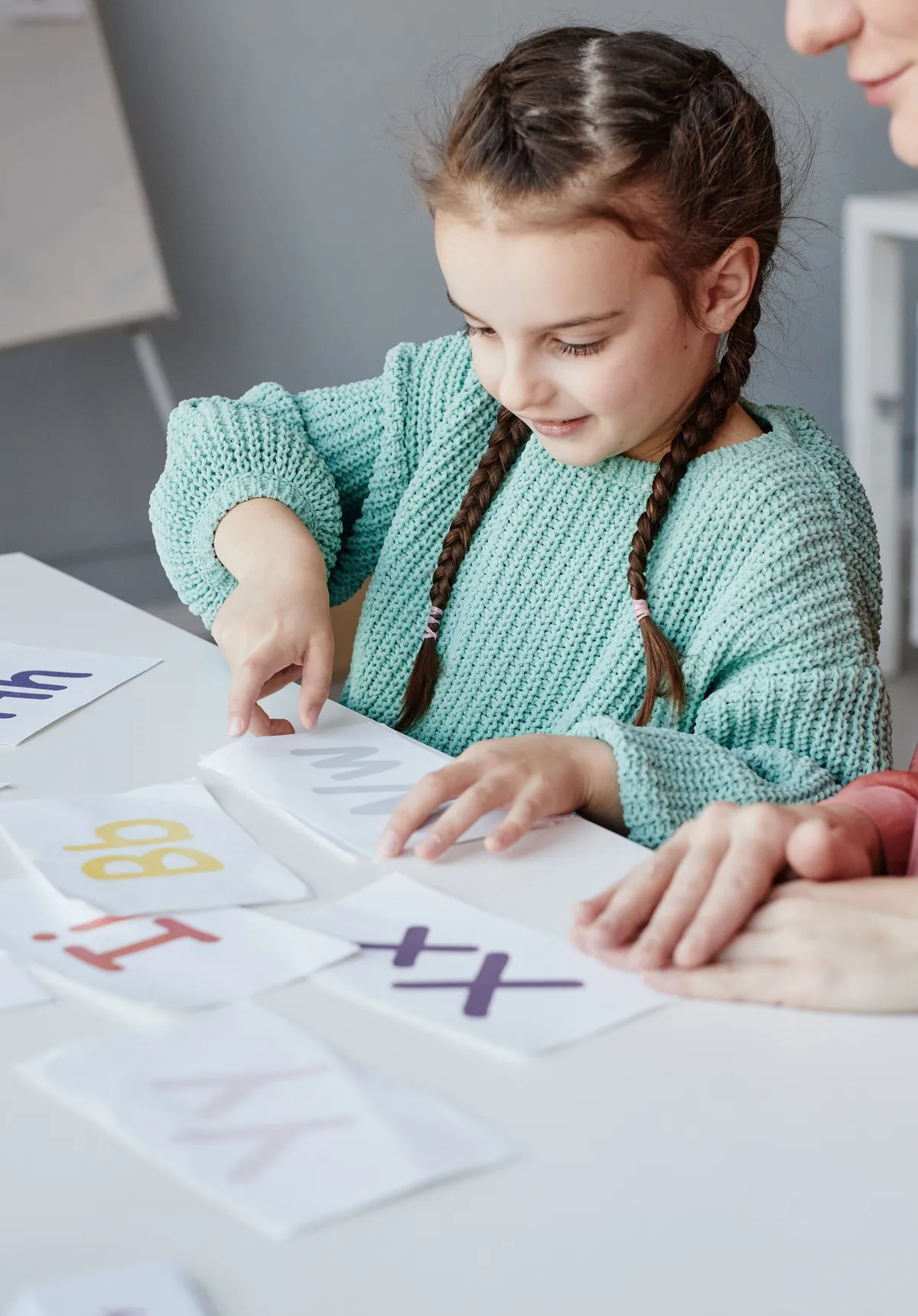
Yes. Literacy work is built on letters, sounds and words, and all of them can be shown, heard and written over a video call. Dr Lauren and your child look at the same text at the same moment, and she hears each sound your child reads aloud.
The research on reading and spelling help by video is promising but early. A 2021 rapid review of nine studies found it feasible and engaging, and its authors judged the studies too limited in quality to be certain.
On Screen
Dr Lauren chooses the activities for each child from the assessment. Literacy work by video can include:
Hearing and changing the sounds in spoken words, before any letters appear
Linking letters and letter patterns to the sounds they stand for
Building and changing words on the screen, one sound at a time
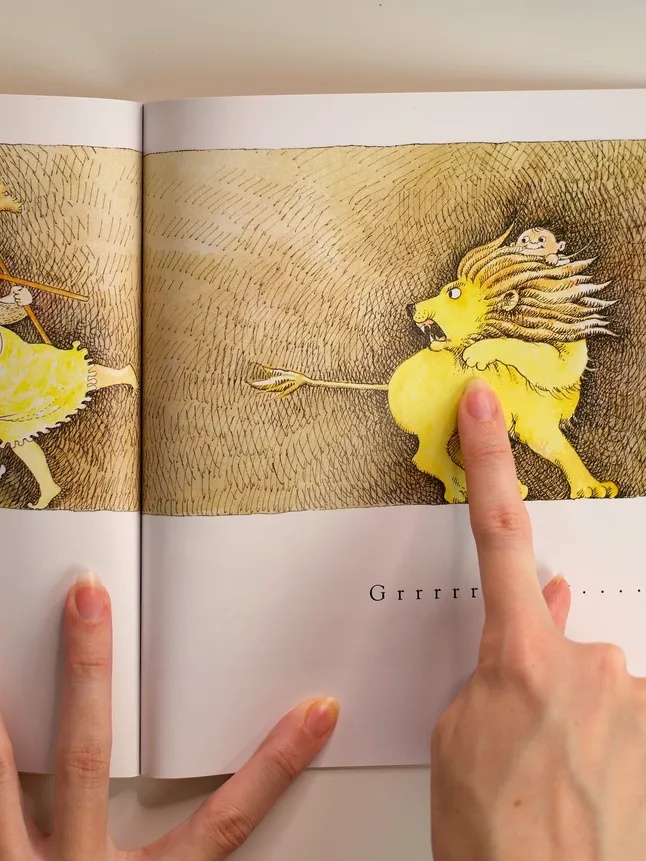
Reading aloud from a text you can both see
Spelling on paper, held up to the camera and checked together
Talking about what a passage means, to build understanding
Reading rests on spoken language. A child has to hear the separate sounds inside a word before letters can be matched to them, and has to understand words and sentences before a page makes sense. Speech Pathology Australia describes three parts to a speech pathologist's literacy work. The first is assessing language and literacy skills. The second is help that targets spoken language, reading, writing or spelling. The third is working with the family and school on what comes next.
Dr Lauren plans each session from the goals she has set, runs it with your child on screen, keeps track of what your child can now do, and decides when to move on. School-age children and teenagers work with her directly. The way a session runs from the first call is set out in how online speech therapy works.
Every family starts with an online assessment of reading, spelling and the language skills underneath. A 2019 study of 37 children aged 8 to 12 with reading difficulties in rural Australia found that literacy assessment scores by video agreed closely with scores from the same tests given face to face. The help your child receives follows what the assessment shows, whether or not there is a diagnosis.
Between sessions, your part is short practice that Dr Lauren shows you step by step, so the work carries on through the week. What that looks like at home is covered in home practice between online sessions.
When a child also has trouble understanding or putting sentences together, the language work comes first or alongside; see online language therapy. For older students, online speech therapy for teenagers explains how sessions change.
Studies of reading help by video are small, and the evidence is weaker than for in-person teaching; the research on online speech therapy sets it out. Some children do better in a room with the clinician, and the guide to whether online therapy is right for your child lists when.
If this sounds like your child, apply to work with Dr Lauren.
Online Sessions
Every session is by video: 45 minutes of therapy within one hour of service.
Dr Lauren assesses reading, spelling and the spoken language underneath, then explains what she found and where she will start.
She sets goals from the assessment and plans each session around them.
Your child works with Dr Lauren on screen, with a parent nearby for younger primary-school children.
You get short practice for the week, and Dr Lauren checks progress and adjusts the plan.
Fees
The Mid-Length Assessment is usually the one for literacy, or the Long Assessment when spoken language and literacy both need a close look. Ongoing therapy is charged per session.
Therapy
One hour of service: 45 minutes of therapy by video, and 15 minutes of preparation and notes
$193
Every family starts with an assessment
$590
Usually for late talkers, stuttering and speech clarity
$890
Usually for school-age language, literacy or social communication
$1,290
Usually for both language and literacy in a school-age child
Medicare rebates are available with a doctor's referral, and private health cover may apply. Dr Lauren is not NDIS registered: self-managed and plan-managed participants are welcome. See fees in full

Questions Parents Ask
Reading and spelling depend on spoken language: hearing the sounds in words, knowing what words mean and following sentences. A speech pathologist can assess those skills alongside reading and spelling, and work on whichever is holding a child back.
Small studies of online reading help for kids have found it workable and engaging, and a 2021 review of nine studies judged their quality too low to be certain. Online literacy support is a reasonable choice for many children, and the evidence is not yet strong enough to promise it matches in-person teaching.
Yes. In a study of 37 children aged 8 to 12 with reading difficulties in rural Australia, literacy test scores given by video agreed closely with the same tests given face to face. Dr Lauren's assessments are held by video.
No. Dr Lauren Crumlish assesses reading, spelling and the language skills underneath. A formal dyslexia diagnosis is usually made by a psychologist, and literacy support can start whether or not a child has one.
Online literacy support is for school-age children and teenagers up to 18, anywhere in Australia.
Children work with Dr Lauren directly at the screen; for younger primary-school children a parent nearby helps with set-up and hears what to practise; teenagers usually attend on their own.









Work With Dr Lauren
Dr Lauren works with a small number of families and has limited availability. Tell us about your child, and our team will review your application.
Apply Now